
Breast augmentation (also known as breast enlargement) is a popular cosmetic surgery procedure in the UK, but deciding whether it’s right for you is a deeply personal choice.
Whether you’re looking to enhance naturally smaller breasts, improve symmetry, or rebuild confidence following breast cancer treatment, understanding the procedure is the first step towards making an informed decision. Renowned breast surgeon Andrew Pieri explains:
- What is a breast augmentation?
- Why do people have breast augmentation?
- Different types of breast augmentation
- What happens during the procedure?
- What happens during recovery?
- The risks of breast augmentation
- Is breast augmentation right for me?
What is a breast augmentation?
Breast augmentation, sometimes called breast enlargement or a “boob job”, is a surgical procedure to increase the size of the breasts. This is most commonly achieved using implants, although some patients may be suitable for fat transfer using their own body fat.
The procedure can be performed for cosmetic reasons, to correct breast asymmetry, or as part of breast reconstruction following breast cancer surgery.
While increasing volume is often the primary goal, a successful breast augmentation also considers factors such as breast shape, symmetry, body proportions and achieving a result that looks and feels natural.
Why do people have breast augmentation?
Every patient’s reasons for considering breast augmentation are unique.
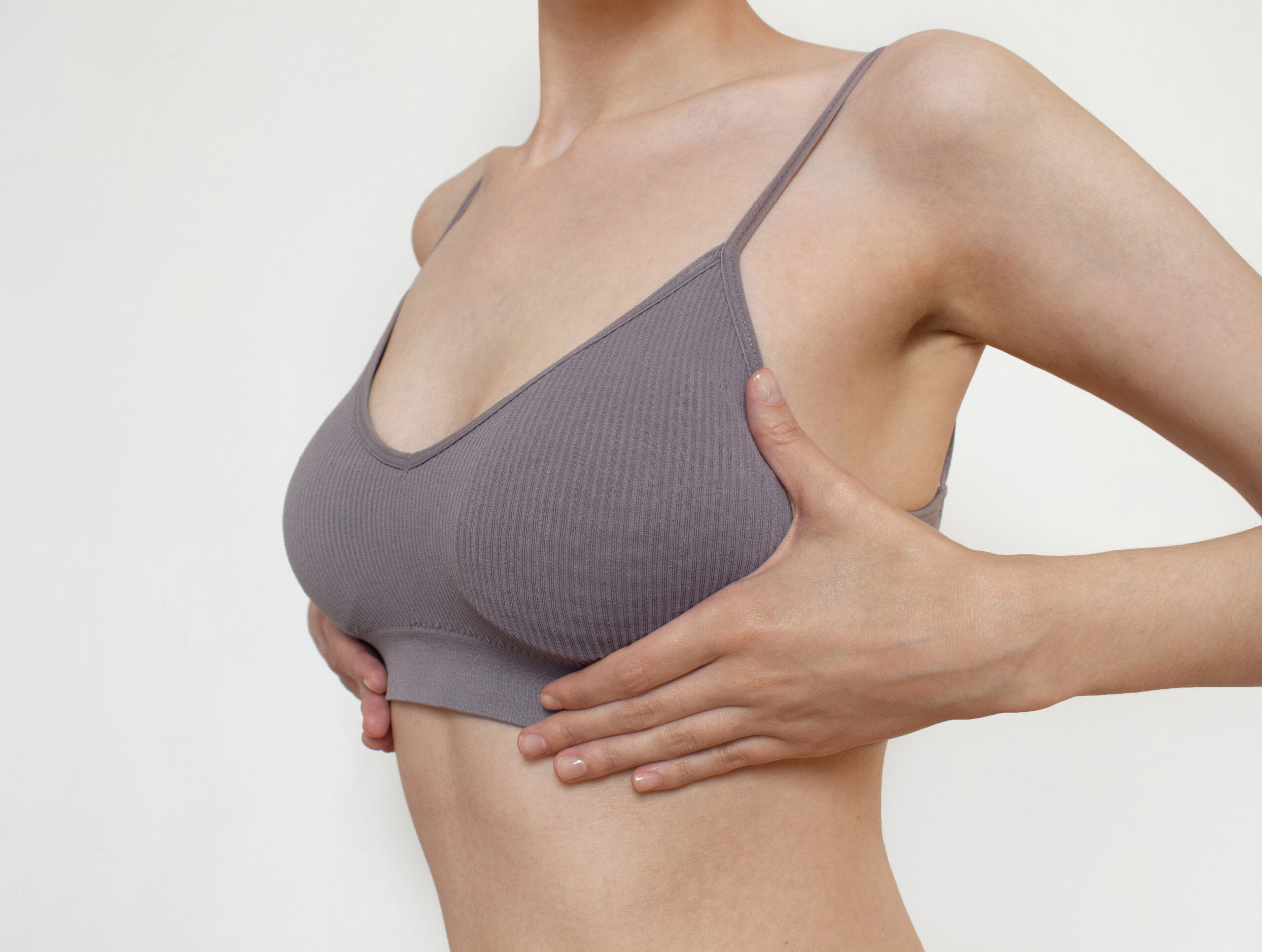
Some women have naturally smaller breasts and would like to achieve a fuller shape that better suits their frame. Others notice changes after pregnancy, breastfeeding or significant weight loss and want to restore lost volume. Breast augmentation can also help improve breast asymmetry, where one breast is noticeably larger or shaped differently than the other.
For some women, the procedure forms part of breast reconstruction following treatment for breast cancer.
While breast augmentation changes physical appearance, many patients also report improvements in confidence and body image. The aim isn’t to change who you are, but to help you feel more comfortable in your own body.
Different types of breast augmentation
There are two main approaches to breast augmentation, and the most suitable option depends on your anatomy, goals and the outcome you hope to achieve.
Breast implants
Breast implants remain the most common method of breast augmentation in the UK.
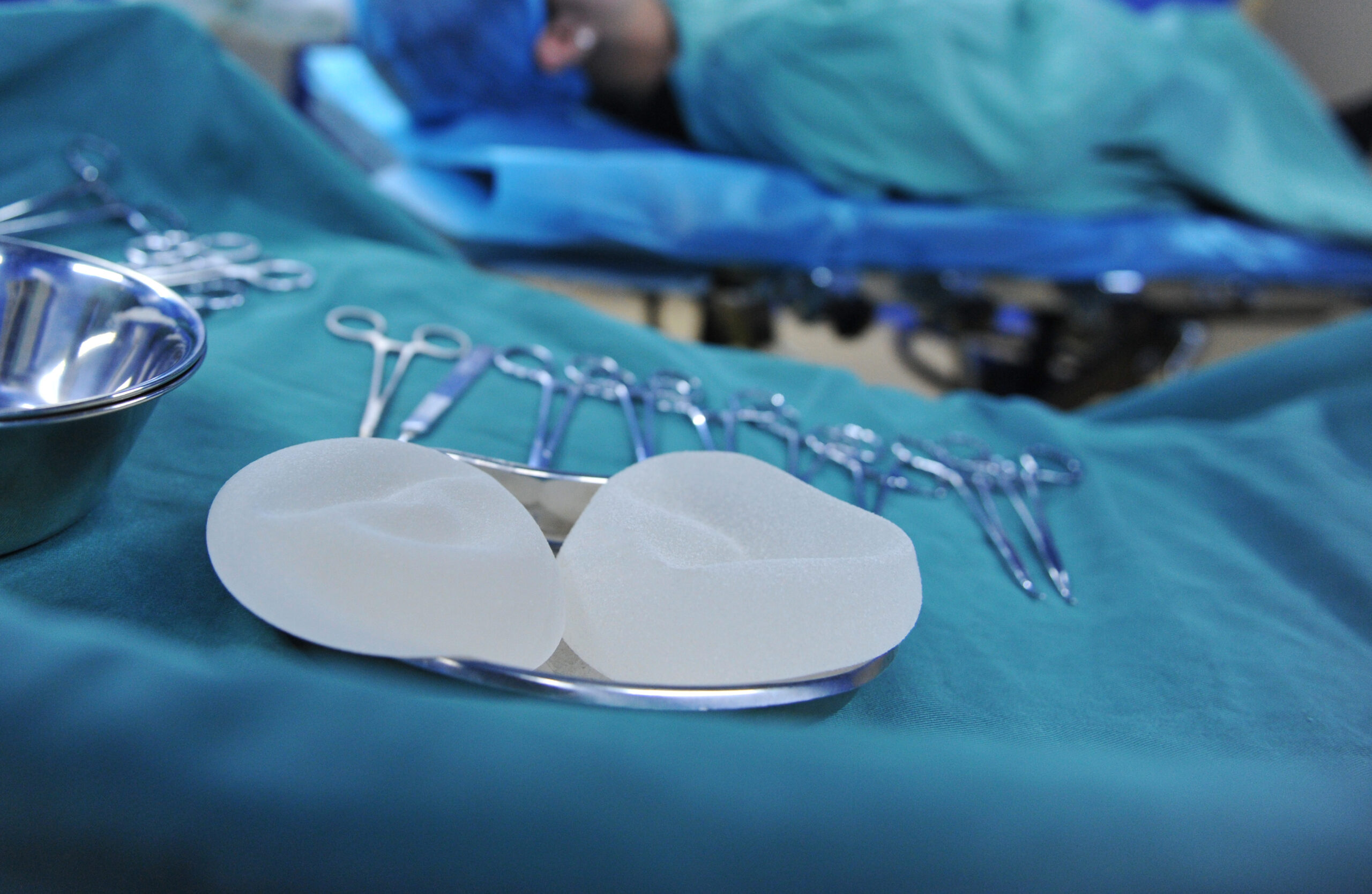
Modern implants consist of a silicone outer shell filled with highly cohesive silicone gel, designed to provide a soft, natural feel while maintaining their shape. They are available in a range of sizes, profiles and shapes, allowing your surgeon to tailor the result to your body.
Choosing the right implant involves much more than selecting a volume in cubic centimetres (cc). Factors such as implant width, projection, existing breast tissue and chest shape all influence the outcome.
Rather than recommending the same implant for every patient, an experienced breast surgeon will assess your individual anatomy and discuss the look you would like to achieve before recommending suitable options.
Breast Implants – Choosing the right implants for your breast augmentation
Fat transfer
Fat transfer breast augmentation uses fat removed from another area of the body through liposuction before it is carefully purified and injected into the breasts.
This technique offers a more subtle increase in breast volume and uses your own tissue rather than implants. However, not everyone is suitable for fat transfer, and the amount of enlargement that can be achieved is usually more limited than with implants.
Your surgeon can explain whether breast implants or fat transfer would be the most appropriate option based on your goals.
What happens during the procedure?
Although every patient’s journey is slightly different, breast augmentation usually follows a similar process from consultation through to recovery.
Initial consultation
Your consultation is one of the most important parts of the entire process.
During your appointment, Mr Andrew Pieri will discuss your medical history, lifestyle, expectations and reasons for considering surgery. He will examine your breasts, take measurements and explain the different implant options available.
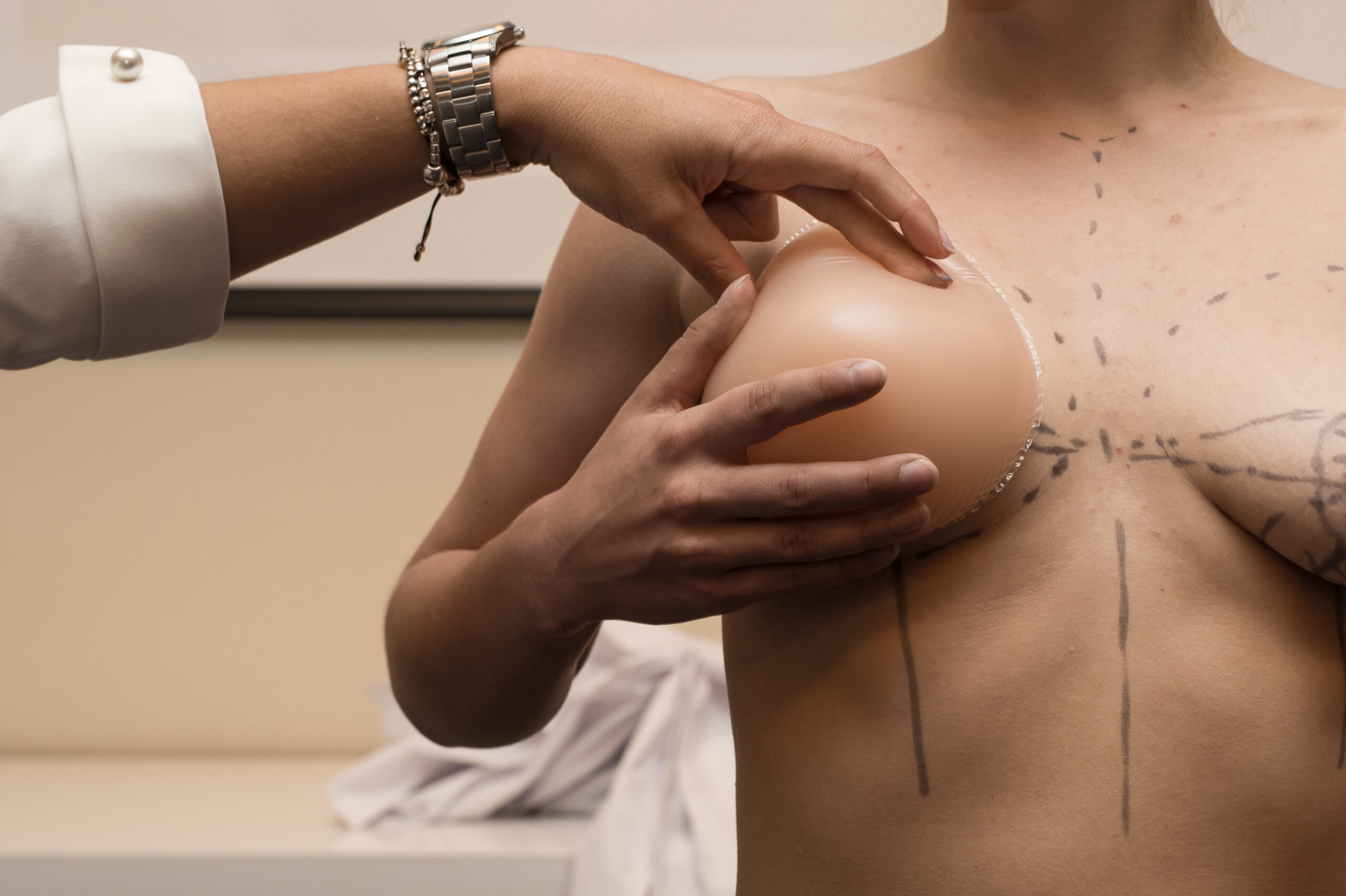
Rather than relying on bra cup sizes alone, he uses professional breast implant sizers to help you visualise different volumes and profiles. Patients are encouraged to try implant sizers in a supportive bra and take time to consider their options before making a decision.
Read more about what to expect from your breast enlargement sizing session here.
There is no pressure to proceed with surgery. The consultation is an opportunity to ask questions and ensure you feel fully informed.
Before surgery
Before your operation, you’ll receive detailed instructions explaining how to prepare.
This may include stopping smoking, avoiding certain medications and arranging for someone to accompany you home after surgery. You’ll also have the opportunity to ask any remaining questions and confirm your chosen implant size and surgical plan.
During surgery
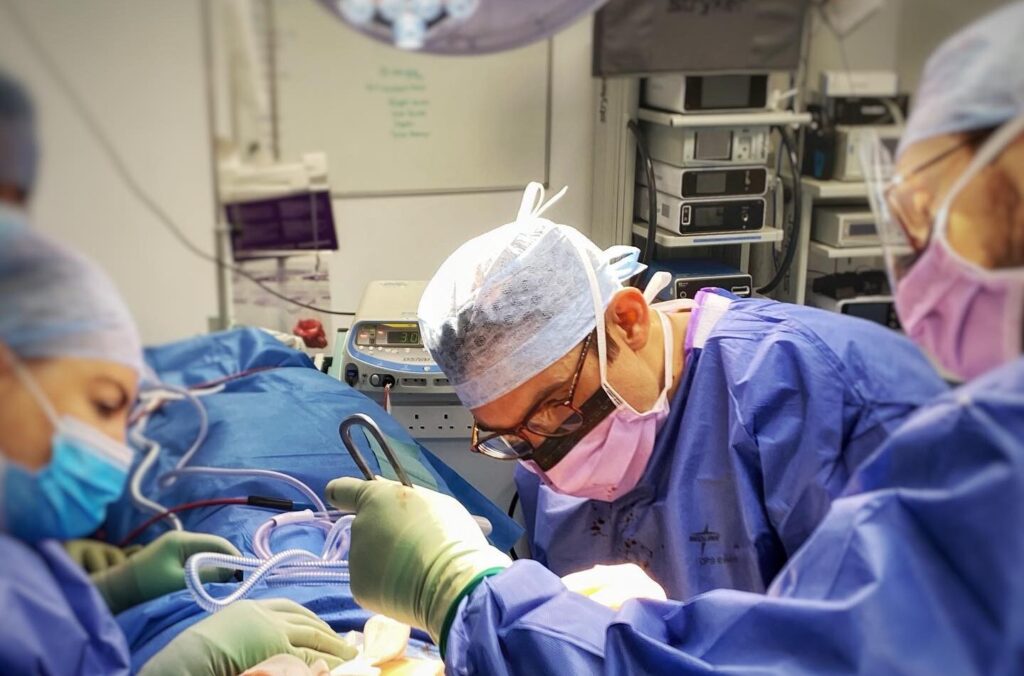
Breast augmentation is usually performed under a general anaesthetic and typically takes between one and two hours.
Your surgeon will make a carefully planned incision before creating a pocket for the implant. Depending on your anatomy and surgical plan, implants may be positioned either above or below the chest muscle.
Once the implants are in place, the incisions are closed and dressings are applied before you move to the recovery area.
What happens during recovery?
Recovery is gradual, and every patient heals at their own pace. Following your surgeon’s aftercare advice is one of the best ways to support healing and achieve the best possible result.
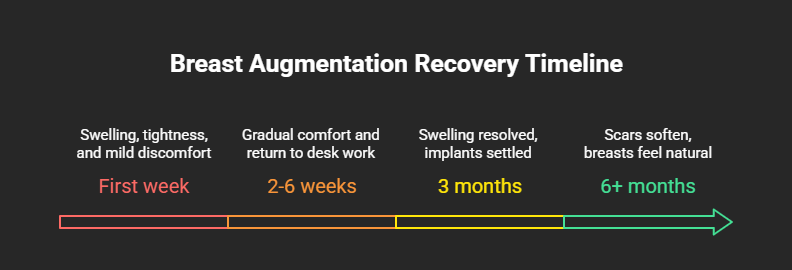
First week
It’s normal to experience swelling, tightness and mild discomfort during the first few days. Pain relief medication can usually help manage any discomfort.
Most patients are encouraged to walk gently but avoid strenuous activity and heavy lifting. You’ll also be advised to wear a supportive post-surgical bra.
2-6 weeks
As swelling begins to settle, you’ll gradually feel more comfortable carrying out everyday activities.
Many patients return to desk-based work after one to two weeks, although this varies depending on the individual and the nature of their job.
Exercise should be reintroduced gradually following your surgeon’s advice.
3 months
By around three months, much of the swelling has resolved, and your implants will usually have settled into a more natural position.
Scars continue to heal, and your final breast shape becomes increasingly apparent.
6+ months
Healing continues for several months after surgery.
Scars often continue to soften and fade, while the breasts usually feel increasingly natural as surrounding tissues adapt to the implants.
Regular follow-up appointments allow your surgeon to monitor your progress and answer any questions throughout your recovery.
The risks of breast augmentation
Like any surgical procedure, breast augmentation carries some risks. Having breast surgery is a major operation and should not be taken lightly. Your surgeon should discuss both the pros and cons of breast augmentation with you, and be open about the realities.
Potential complications include:
- Infection
- Bleeding
- Capsular contracture
- Implant rupture
- Changes in nipple or breast sensation
- Implant movement
- Scarring
- The possibility of revision surgery in the future
There is also a rare condition called Breast Implant-Associated Anaplastic Large Cell Lymphoma (BIA-ALCL), which has been linked to certain implant surface textures. Modern implant technology and careful implant selection have helped reduce this risk significantly.
Although complications cannot be eliminated, choosing an experienced Consultant Breast Surgeon and carefully following your aftercare advice can help minimise these risks.
Is breast augmentation right for me?
Breast augmentation isn’t about achieving someone else’s ideal body shape. It’s about finding an approach that suits your own goals and anatomy.
You may be a suitable candidate if you:
- Are in good general health
- Have realistic expectations
- Are bothered by your breast size or shape
- Want to improve breast symmetry
- Have noticed changes following pregnancy or weight loss
During consultation, your surgeon will assess whether breast augmentation is appropriate for you and discuss alternative options (such as padded bras) where necessary.
Mr Andrew Pieri’s approach to surgery
As a Consultant Oncoplastic and Cosmetic Breast Surgeon with more than 16 years’ experience, Mr Andrew Pieri believes that successful breast augmentation is about achieving results that are balanced, proportionate and tailored to each individual.
Rather than focusing solely on implant size, he carefully considers your body shape, existing breast tissue, chest dimensions and long-term goals.
Patients receive a dedicated implant sizing appointment, allowing them to compare different implant options before making a final decision. Throughout the process, Mr Pieri places great importance on clear communication, realistic expectations and ongoing support, from the first consultation through to recovery.
Frequently Asked Questions
Is breast augmentation the same as breast enlargement?
Yes. The terms breast augmentation and breast enlargement are commonly used interchangeably to describe surgery that increases breast size or changes breast shape.
How long does breast augmentation take?
The breast augmentation operation usually takes between one and two hours, although you’ll spend longer at the hospital for preparation and recovery before going home.
Can I breastfeed after breast augmentation?
Many women can breastfeed after breast augmentation. However, this can depend on factors such as the surgical technique used and individual anatomy. Your surgeon can discuss this with you if you plan to have children in the future.
How much does breast augmentation cost?
The cost varies depending on the type of procedure, hospital fees and individual treatment plan. Following your consultation, you’ll receive a personalised quotation with no hidden costs. You can also read our dedicated blog about how much a boob job costs in the UK.
Does breast augmentation look natural?
Modern breast augmentation techniques are designed to create results that complement your body shape. Implant selection, placement and surgical planning all play an important role in achieving a natural appearance.
How long does breast augmentation last?
Breast implants are designed to be durable, but they are not lifetime devices. Many implants last 15–20 years or longer, although some patients may require revision surgery in the future due to changes in the breasts or implant-related complications.
Can I combine breast augmentation with an uplift?
Yes. Patients with breast volume loss and sagging may benefit from a combined breast augmentation and breast lift. Your surgeon will explain whether this approach is suitable for your individual circumstances.
What are common myths about breast augmentation?
Some of the most common myths include:
- Breast implants always look unnatural.
- Implants must be replaced every 10 years.
- Bigger implants always give better results.
- Recovery is extremely painful for everyone.
In reality, breast augmentation is highly personalised, and modern techniques aim to create natural-looking results that suit each patient’s anatomy and lifestyle.
Considering Breast Augmentation?
Choosing whether to undergo breast augmentation is a significant decision, and it’s important to have clear, honest information before moving forward.
A consultation with Mr Andrew Pieri gives you the opportunity to discuss your goals, understand your options and receive personalised recommendations based on your anatomy and expectations. There is no obligation to proceed, simply expert advice to help you make the decision that’s right for you.
To learn more, book a free mini-consultation, arrange an appointment or contact Mr Pieri’s team to discuss your options.