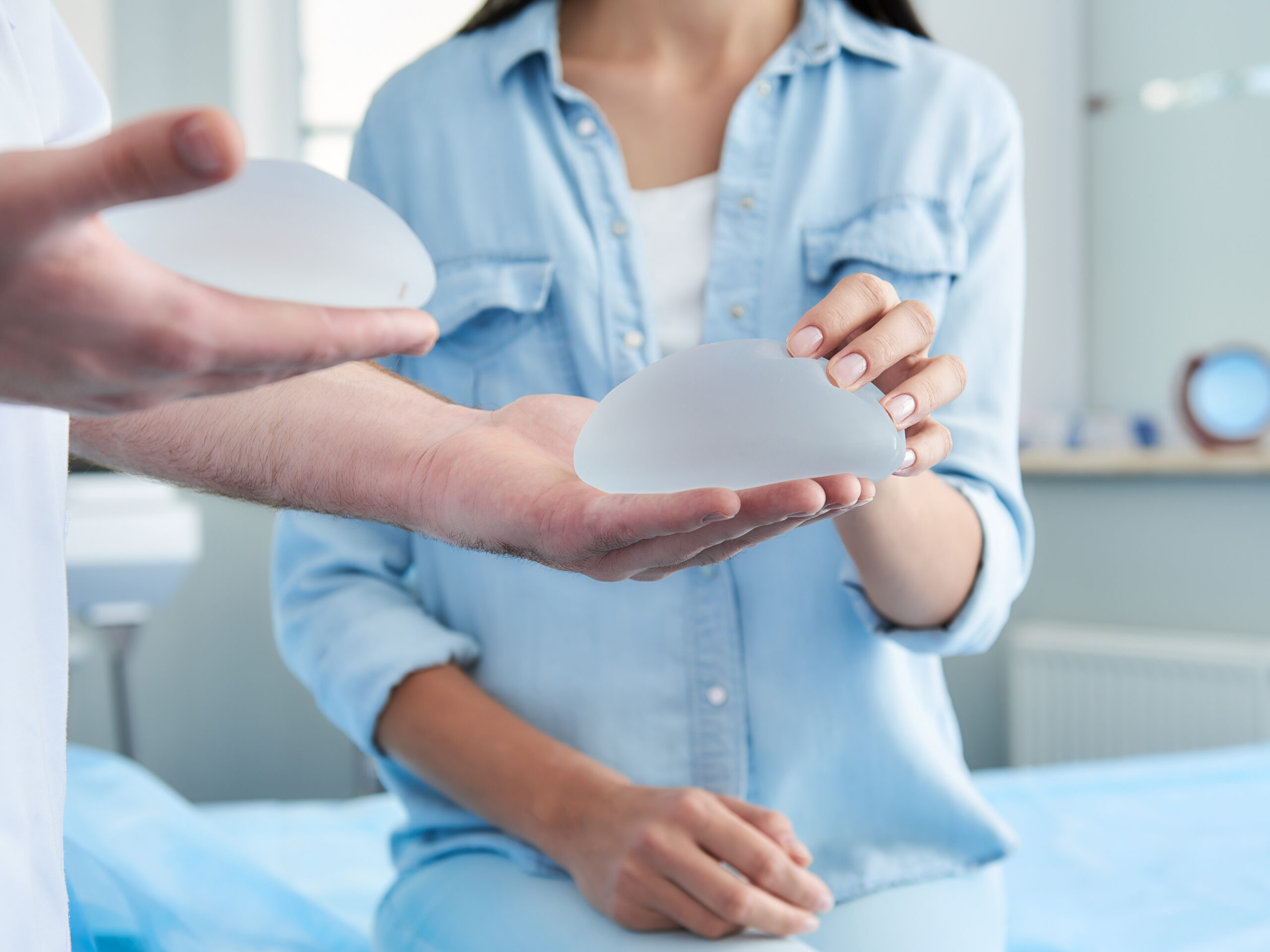

Most patients are advised not to drive for around 1 to 2 weeks after breast surgery. However, the right time depends on your recovery, pain levels, ability to perform an emergency stop safely and whether you’re still taking prescription pain medication.
Key takeaways:
- Wait at least one week before driving after breast augmentation
- You must be able to make sudden movements without sharp pain
- Driving a manual car again may take longer than an automatic car
- Never drive if you’re under the influence of strong pain medication
- Wear a cushion between your chest and the seatbelt for comfort
- Stick to short drives, take breaks, and wait until you feel confident
In this guide, Consultant Breast Surgeon Mr Andrew Pieri explains when it’s usually safe to drive after breast surgery, and practical tips to make your journey more comfortable.
Why Can’t You Drive Straight After Breast Surgery?
Returning to driving too soon after breast augmentation can put both your recovery and your safety at risk. Forcefully turning the steering wheel, checking blind spots or performing an emergency stop all place strain on your chest muscles and upper body.
Following breast surgery or a “boob job”, your chest is likely to feel swollen and tender. Even simple actions like steering, reversing or reaching for the handbrake can be painful.
Driving too soon after surgery can also become dangerous if you suddenly need to:
- Brake sharply
- Turn the steering wheel quickly
- Avoid an obstacle
- Check over your shoulder
- Reverse into a parking space
If these movements cause pain or hesitation, your reaction time could be affected.
It’s understandable to want to get back to normal as quickly as possible after your operation, but your priority should be allowing your body time to heal properly.
How Long Do Surgeons Usually Recommend?
Most breast surgeons in the UK recommend waiting between one and two weeks before driving, although the exact timeframe varies from person to person. Recovery time can also depend on the type of surgery, for example the size and positioning of implants.
Rather than focusing on the number of days or weeks since your operation, it can be more helpful to think about whether you’ve reached certain surgery recovery milestones.
Before driving, you should be able to:
- Turn the steering wheel comfortable
- Look over both shoulders without significant pain
- Wear a seatbelt without excessive discomfort
- Perform an emergency stop confidently
- Drive without relying on prescription pain medication
- Feel physically and mentally confident behind the wheel
If you’re unsure whether you’re ready, it’s always safest to wait a little longer or ask your surgeon for personalised advice. Our team offers follow-up checks at no extra cost.
Can You Drive While Taking Pain Medication?
No, you shouldn’t drive after taking strong pain medications (like opioids) after surgery.
If you’re still taking strong prescription painkillers that cause drowsiness, slower reaction times or reduced concentration, you shouldn’t drive. Many patients only need prescription medication for the first few days, but some patients may need to take them for longer.
Even if you feel comfortable, medication can affect your judgement and reaction times.
Before getting back behind the wheel, make sure:
- You’re not taking medication that advises against driving
- You feel alert and fully focused
- You could react safely in an emergency
If you’re ever unsure, speak to your surgeon or a reputable pharmacist before driving.
Can You Perform an Emergency Stop Safely?
One of the simplest ways to judge whether you’re ready to drive is to ask yourself:
“Could I safely perform an emergency stop suddenly, without hesitation?”
An emergency stop applies sudden force to your chest, shoulders, and arms. If the movement would cause severe pain, or you’re worried you wouldn’t be able to brake firmly enough, you aren’t ready to drive yet. Give yourself a few more days to recover fully.
As well as being able to do an emergency stop, you shouldn’t drive if you’re not able to swerve safely, steer quickly, reverse accurately, check blind spots, or park confidently.
Driving before you’re medically fit can affect your car insurance if you’re in an accident.
How to Make Your First Drive More Comfortable
Once you’ve been given the go-ahead to drive safely after breast augmentation, it’s worth easing yourself back into driving rather than jumping straight into a long motorway journey.
Here are some tips for making driving more comfortable after a breast augmentation.
Start with a short journey
Your first drive might simply be to the local shops or a nearby family member’s house. Short car journeys allow you to rebuild your confidence without becoming overtired.
Use a cushion under the seatbelt
A soft pillow or seatbelt cushion placed between the seatbelt and your chest can reduce pressure on your healing breasts. The seatbelt should still sit correctly across your body – don’t position it incorrectly or tuck it behind your shoulder. Never skip your seatbelt.
Adjust your seat
Moving your seat closer to the steering wheel may reduce the amount you need to stretch your arms. Make sure you’re sitting comfortably with good posture before setting off.
Consider an automatic car
If you normally drive both manual and automatic vehicles, you may find an automatic more comfortable initially, as it requires fewer repetitive arm, chest and leg movements.
Avoid busy roads at first
Heavy traffic, difficult junctions and long queues can all increase stress during your first drive. Choose a quieter route if possible until your confidence returns after surgery.
Build up to long drives gradually
There’s no rush to return to long journeys. As your recovery from breast augmentation surgery progresses, you’ll naturally become more comfortable behind the wheel.
When Should I Contact My Breast Surgeon?
Some discomfort while driving during the early stages of recovery from breast surgery is completely normal. However, you should contact your breast surgeon if you experience:
- Pain that’s getting worse rather than improving
- Sudden swelling in one breast
- Increasing redness or warmth around the incision
- Persistent bleeding or discharge
- Fever or signs of infection
- A sudden change in breast shape
If you’re worried you started to drive too soon after breast surgery, talk to your surgeon. It’s always best to ask if something doesn’t feel right or your recovery feels unusual.
Mr Andrew Pieri’s Approach to Recovery
Mr Andrew Pieri provides ongoing aftercare for all of his patients and encourages them to get in touch if they have any concerns during recovery after breast augmentation.
Your first appointment is usually one week after surgery, where your dressings will be checked or changed, and you can discuss any concerns. Follow-up appointments are typically scheduled at two weeks and again between three and six months after surgery.
Recovering from breast augmentation isn’t just about healing; it’s about gradually returning to everyday life safely and confidently. Andrew provides detailed guidance on recovery, including when patients can drive, exercise, return to work and resume other activities.
From your first consultation through to your follow-up appointments, you’ll receive ongoing support to help you recover comfortably and achieve the best possible outcome.
FAQs
Can I drive an automatic car sooner than a manual car?
Some patients find driving an automatic car more comfortable because it involves fewer repetitive movements. However, you should still wait until you can control the vehicle safely, perform an emergency stop and are no longer taking prescription pain medication.
Can I wear a seatbelt while driving after breast augmentation?
Yes. You should always wear a seatbelt when travelling by car, even after having breast surgery. Many patients find placing a soft cushion or seatbelt protector between the belt and their chest helps reduce pressure during the first few weeks of recovery.
Can I be a passenger in a car straight after breast surgery?
Yes. Most patients travel home as a passenger in a car or taxi after breast augmentation. For comfort, it can help to recline your seat slightly, use a small pillow between your chest and the seatbelt, and take regular breaks if you’re travelling a long distance.
Can driving a car too soon damage my breast implants?
Driving itself won’t damage your breast implants. The concern is that driving too early after breast augmentation surgery could strain healing chest tissues, increase discomfort, or leave you unable to react safely in an emergency while driving. Giving your body enough time to recover helps reduce unnecessary stress or strain on your chest as it heals.
What are some common mistakes driving after surgery?
Some of the most common mistakes driving after breast augmentation surgery include driving because you “feel mostly okay”, driving while still taking prescription painkillers, forgetting to adjust your seat position, and ignoring discomfort rather than stopping to rest. Taking things gradually usually leads to a smoother recovery and is also much safer.
Should I avoid long car journeys after breast surgery?
Where possible, yes, avoid long drives after surgery. Long periods sitting in one position can become uncomfortable during the first few weeks after surgery. If you do need to travel further, stop regularly to stretch your legs, stay hydrated and adjust your position. For many patients, shorter journeys are a better way to ease back into driving.
Returning to Driving With Confidence
Getting back behind the wheel is an important milestone after breast augmentation, but it shouldn’t be rushed.
Waiting until you can move comfortably, react quickly and drive confidently helps protect both your recovery and your safety. While many patients are ready after one to two weeks, everyone’s healing journey is different.
If you’re considering breast augmentation, breast lift surgery or treatment for breast asymmetry, Mr Andrew Pieri will guide you through every stage of recovery, not just the operation itself. To discuss your options, arrange a free mini-consultation or book an appointment today.